Marketplace's commerce was capped by what people would sell locally, in person. I led the design strategy to grow it through shipped commerce: the eBay integration I shaped end to end, an expansion across European markets, and the shift to Marketplace's own shipped selling.

The brief
Facebook Marketplace had spent a decade connecting people, with more than 3.5 million listings posted every day across the US and Canada. It was a go-to for young adults furnishing a first apartment or hunting an outfit for a first date. But nearly all of it was local, in-person selling, and that was the ceiling: a sale needed both people in the same place, which capped the market well below what people actually wanted to buy and sell. Shipping was the way past it, and the way to grow both sides of the market at once. But it had been left alone for years, the seller experience underfunded and shipping treated as a market not worth chasing. Growing it became my strategy, and I ran both sides to get there: the buyer-experience and seller-supply pillars.
The bet
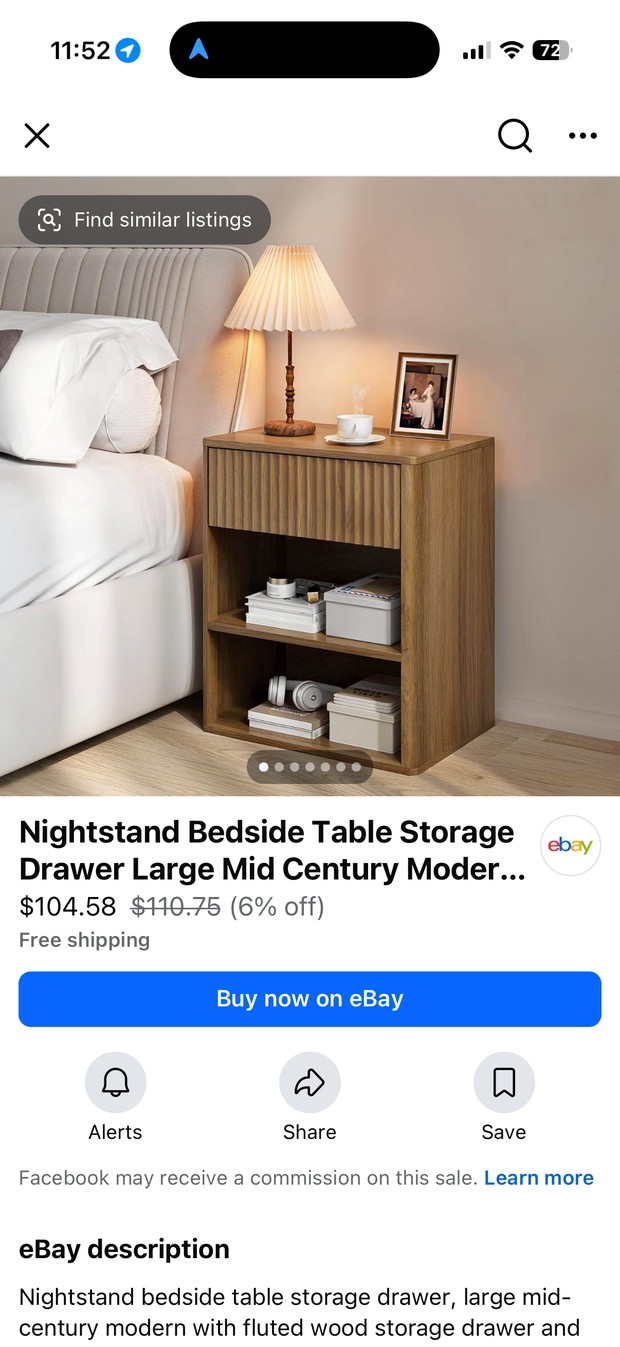
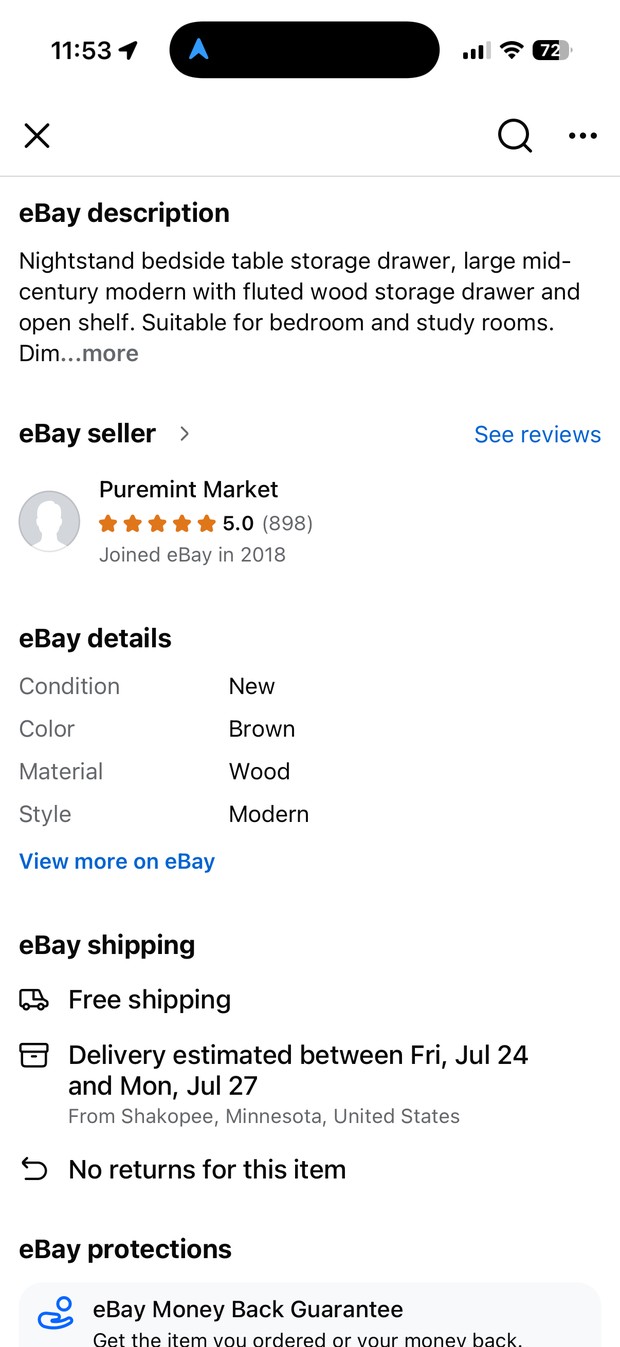
Building shipped commerce from scratch would take years. The faster proof was to bring in third-party inventory that already matched what buyers wanted, and let real demand show whether shipping had a future on Marketplace. Drawing on five years designing marketplaces at Amazon, I led the third-party program end to end: partner selection, the buyer and handoff experience, and the trust and safety that had to hold. eBay's catalog overlapped Marketplace demand the most, so I partnered with eBay's VP of Design to land the integration experience, then led the design of the handoff: a partner listing marked in the feed that carries the item, price, and seller reputation, then hands off to eBay to check out with eBay's protections traveling across. After launch, iterations on that handoff took its clickthrough from under 3% to 8%.


I grew Marketplace into the commerce market no one wanted to fund, without ever denting the local trades it was built on.
Once the model worked, I led its expansion. The eBay play carried into Germany, France, and more European markets, with Poshmark added for fashion in the US, each partner matched to what that market already wanted. I grew the designer who ran the market-by-market research into its lead, and a single US pilot became a repeatable way to bring the right outside inventory into any market.
The next move
Partners proved the demand, and that changed the conversation: shipped commerce, the market everyone had passed on, suddenly had investment behind it and renewed interest in the seller experience. A half earlier, anticipating exactly this, I had a designer run ahead on the AI-listing and seller-experience ideas, then shelved the work, finished and waiting for the right moment. When leadership and the team came around, it was ready to ship.
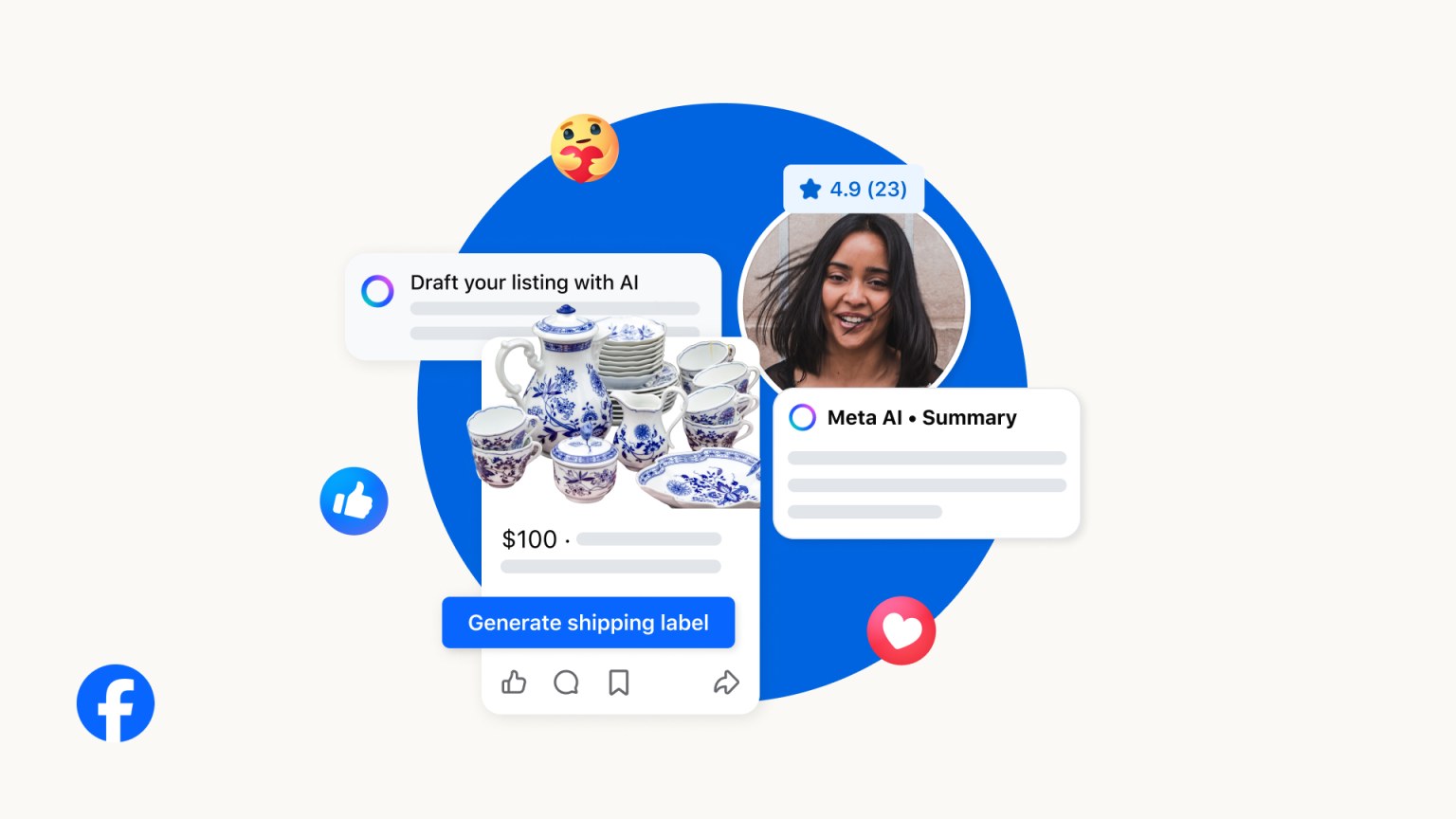
In my final half I set the strategy for Marketplace's own shipped selling and took it end to end. It shipped publicly in the Marketplace Glow Up: Meta AI drafts a listing and suggests a price from a photo, sellers print prepaid labels and track every order in one place, and AI auto-replies field buyer questions.
The outcome
The eBay partnership was widely covered in the trade press and moved eBay's stock about 10% on announcement, roughly three billion dollars in market value. Buyers browse on Marketplace and check out on eBay through the handoff I designed, and the program scaled to more markets and partners. Commerce was one of five 0-to-1 strategies I led at once, alongside the young-adult, trust and safety, and growth work; I co-led three of Marketplace's five core strategies.